Attention has an address
Cognitive research keeps coming back to the same humble finding: the environment you work in is not a backdrop, it is an actor. Ceiling height nudges abstract thinking; natural light regulates the very rhythm you spend all day trying to manage; clutter competes for the attention you need for the actual work. Your focus has an address, and most of us have been posting it to the wrong places — a sofa, a kitchen table, a café with aggressive playlists.
The myth of the always-on desk
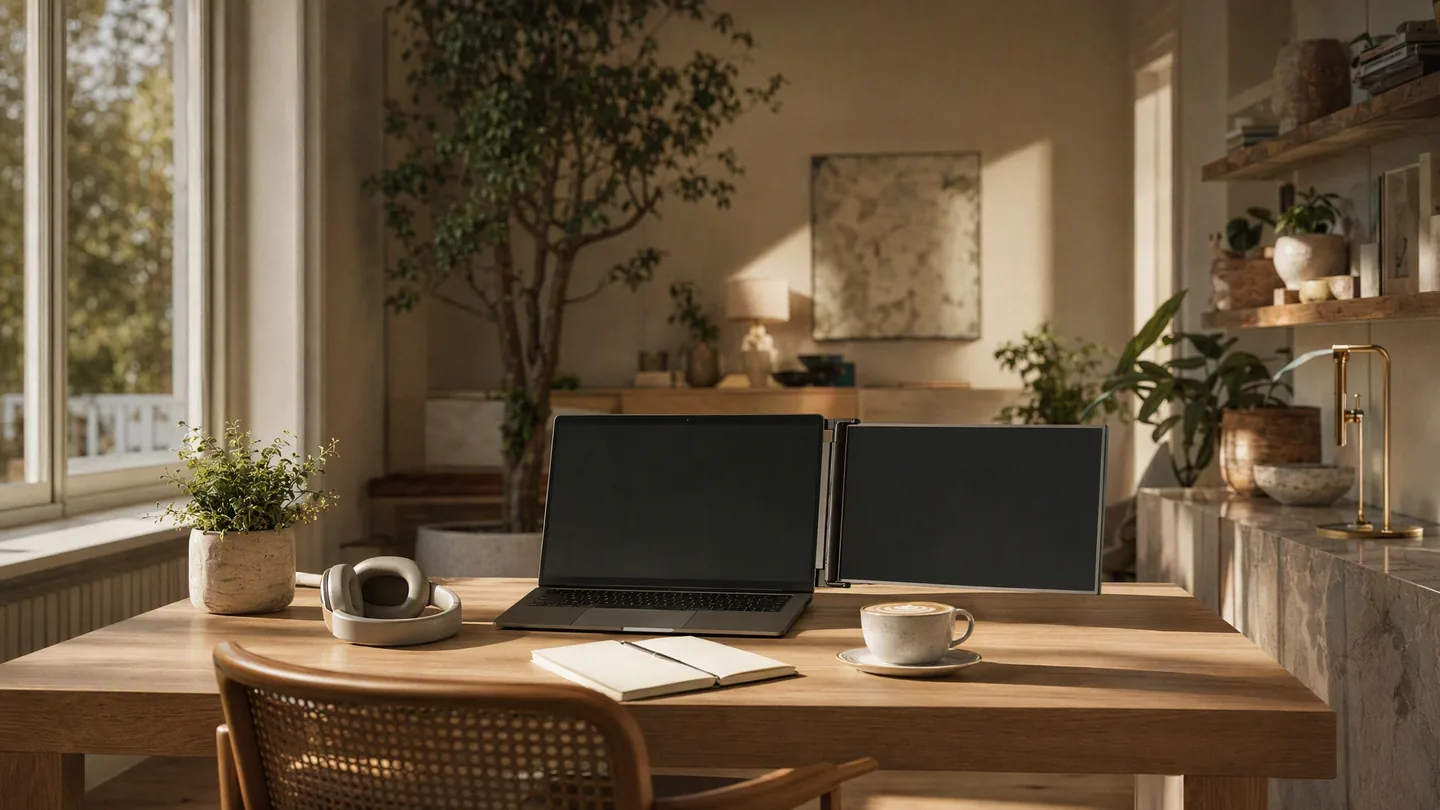
Remote work sold us flexibility and quietly delivered a never-closed office. The kitchen table is where you eat, argue about the bills, and pretend to be on holiday. A workspace that is only a workspace does something the home cannot: it lets your body downshift into a mode with a door on it — arrival and departure made physical.
A separate place to work is not a luxury. It is the last honest boundary the knowledge economy leaves us.
Slowness is a productivity feature
The best working rooms resist urgency. Warm materials, low-contrast acoustics, a kettle that takes its time — these signals tell your nervous system that the deadline will survive being handled unhurriedly. Deep work is slow work that refused to panic. Choose rooms that behave that way on your behalf.
What to look for
- Daylight you can feel without looking at a screen to check the time.
- Seats that flatter posture without announcing ergonomics.
- A ceiling that lets an idea pace.
- Sound you can step inside, not through (if you need quiet, you need silence, not podcasts).
- A host who knows your name by your third visit.
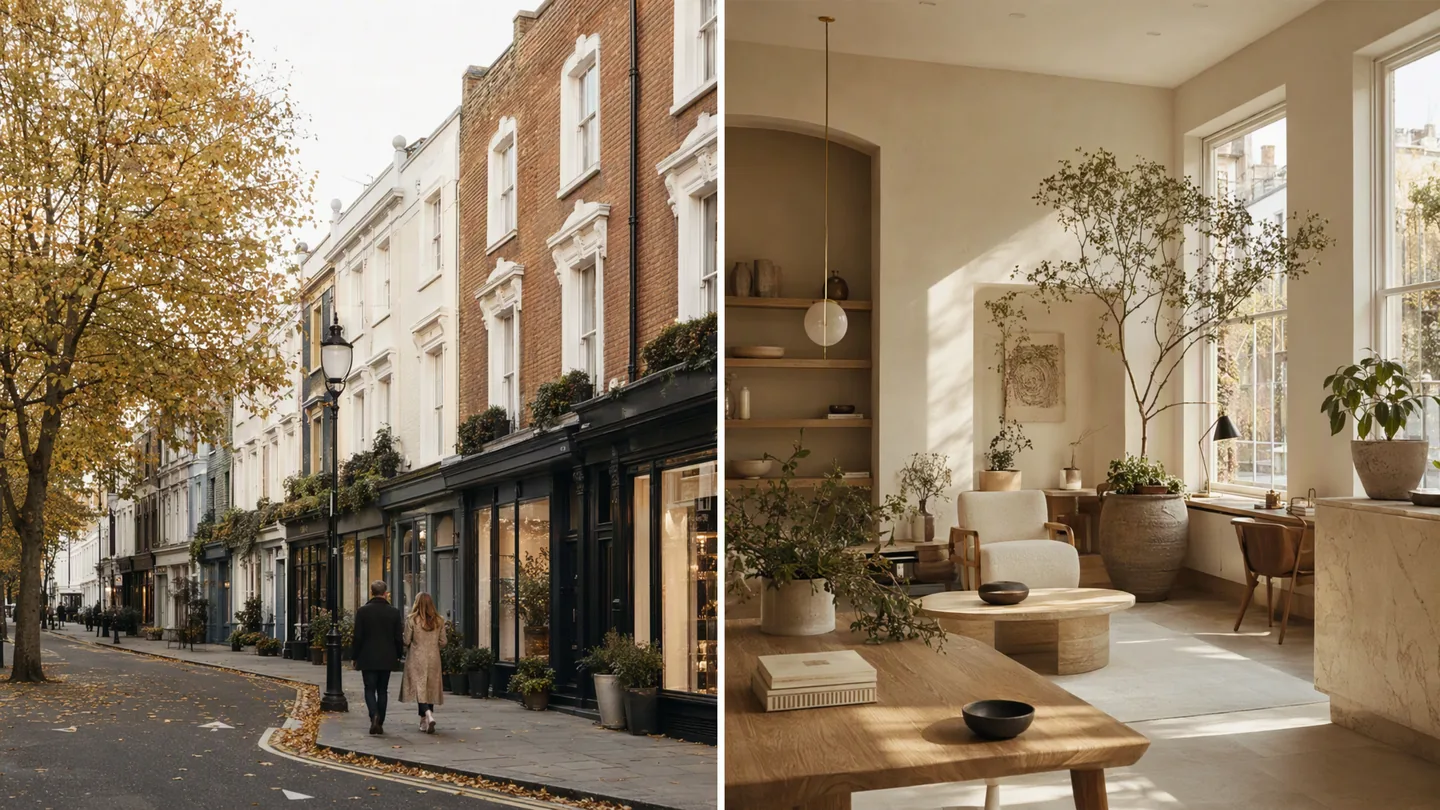
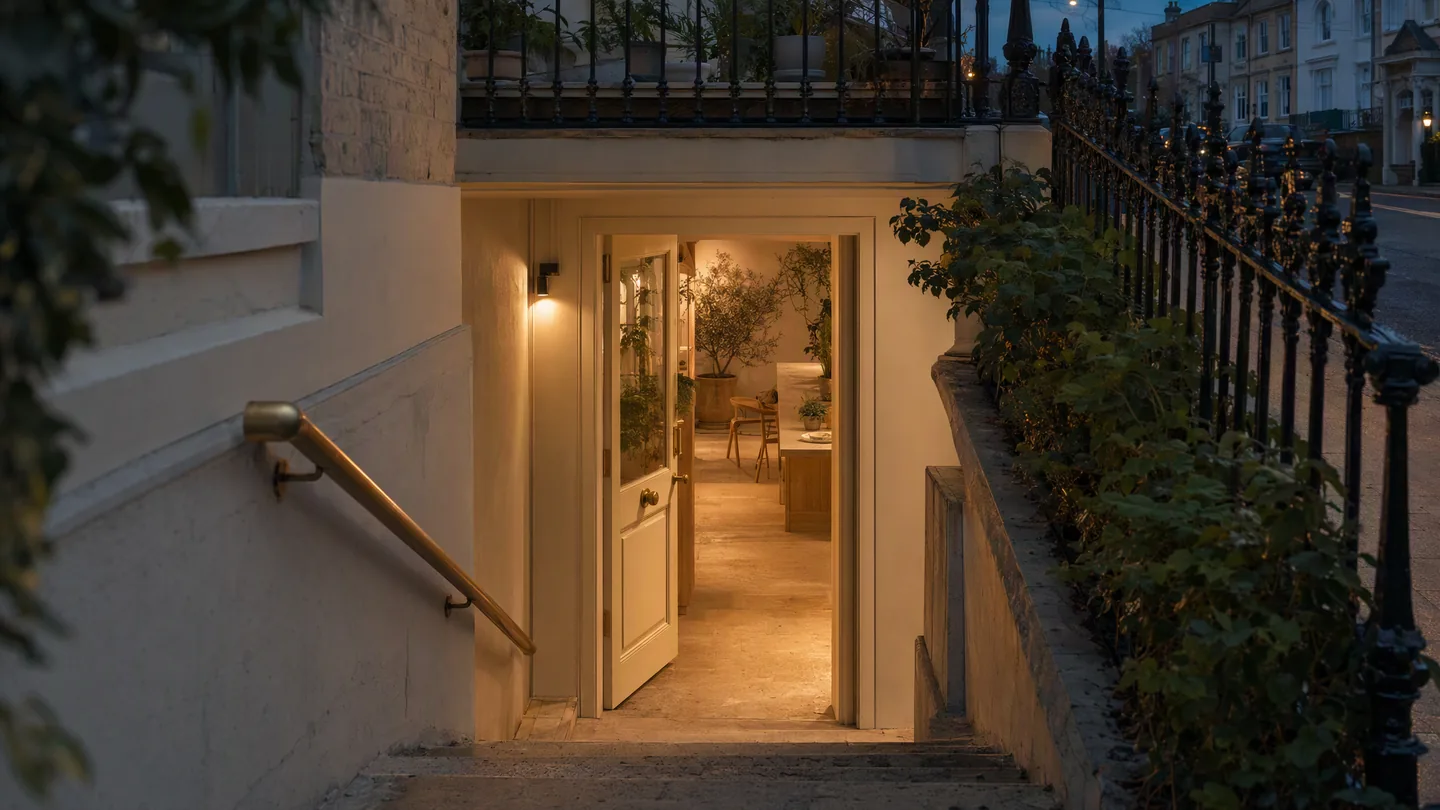
We built BC Atelier around that list, in a lower-ground room on Kensington Church Street where the light falls from tall windows at reading angle and no one has ever been asked to leave at noon. Book the hour, book the day. Bring the slow work you keep meaning to do.